
Review of the Film Me
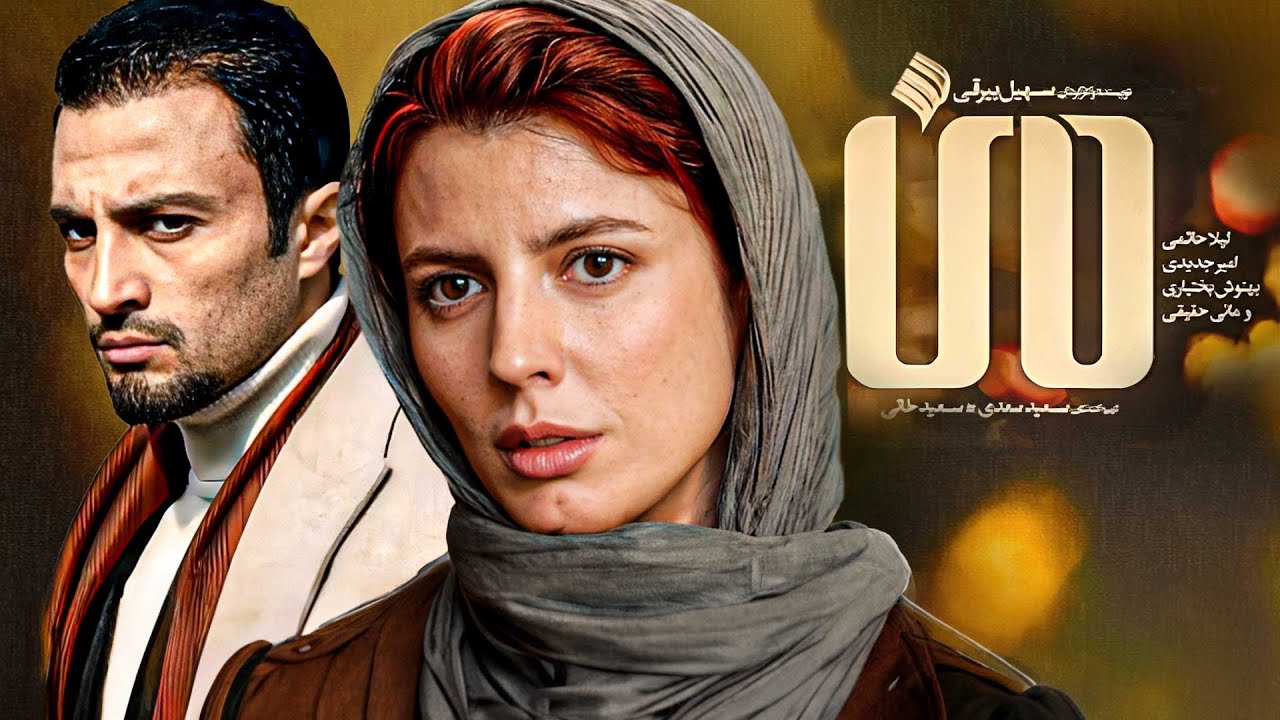
I is a 2016 Iranian film written and directed by Soheil Beiraghi.
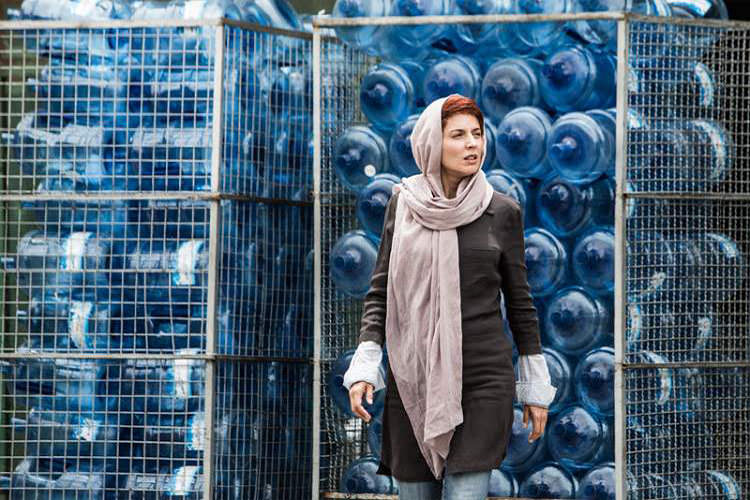
Leila Hatami plays the protagonist, Azar, a complex and unconventional woman who lives outside social norms.
The film centers on Azar’s “solo revolution” — she commits illegal acts to make money, defying both the law and societal expectations.
Strengths
Leila Hatami’s Performance
Hatami portrays Azar with nuance: she balances boldness, vulnerability, and a kind of emotional detachment.
Her character is not a stereotypical “criminal”: she’s artistically melancholic, driven but also fragile.
This role is one of her more daring ones — she plays a woman who is morally ambiguous and deeply independent.
Character Study Over Crime Story
While the film involves crime and illegality, it’s more of a character study than a heist or action thriller.
Director Soheil Beiraghi deliberately wanted to show an “unusual” woman — not just a criminal, but someone questioning society, her identity, and her power.
The repetitive daily routines of Azar (her work, her interactions) are almost ritualistic, turning her criminal acts into a kind of personal discipline.
Social Commentary
The film critiques societal norms, especially around gender, morality, and the role of law.
Azar’s resistance is not only against legal boundaries, but also social expectations — she refuses to be “just another average woman.”
Her isolation and self-reliance highlight a deeper commentary on loneliness and alienation in modern Iranian society.
Symbolism & Structure
Beiraghi’s storytelling is smart: by breaking the routine of Azar’s life at certain key moments, he surprises both her and the audience.
The mundane – her trips in her car, listening to an alarm counting something, opening mysterious food packages – becomes meaningful motifs throughout the film.
The ending is ambiguous, reflecting Azar’s internal conflict and the tension between her desire for freedom and emotional connection.
Weaknesses
Character Depth (or lack thereof)
According to some critics, Azar is more of a type than a fully fleshed-out character.
The film does not provide much backstory: we don’t learn where Azar comes from, what her family is, or what motivated her to start breaking the law.
Because of this, her motivations sometimes feel abstract — it’s unclear whether her criminal acts are driven purely by money, by a desire to rebel, or by something more personal.
Weak Narrative Closure
Critics have argued that the ending feels “raw” and underdeveloped.
This lack of a solid resolution may prevent the film from being a “lasting social piece” in the minds of many viewers.
Some feel that the conclusions drawn about Azar’s life and her rebellion are too open-ended, which can be unsatisfying for an audience expecting a more conventional payoff.
Pacing / Genre Expectations
For viewers expecting a crime thriller, the film may feel too slow or introspective: the focus isn’t on high-stakes criminal action, but on inner life.
The “noir” aspect (woman doing illegal deeds) is undercut by the lack of a strong criminal plot: Azar’s actions are repetitive and ritualized, not always dramatically escalating.
Some may argue that because the film emphasizes character over plot, it risks losing engagement mid-way.
🎭 Themes & Messages
Rebellion & Identity: Azar’s life is a rebellion — not only against the law, but against societal norms and her own expectations.
Loneliness & Independence: Her isolation is self-imposed; she both enjoys her freedom and suffers from its emotional cost.
Power & Vulnerability: Azar is powerful in her “profession,” but emotionally fragile, especially when it comes to relationships.
Ritual as Rebellion: Azar’s repetitive actions — from illegal work to her private routines — are symbolic of a personal code, turning crime into a way of life rather than mere survival.
Overall Assessment
I (من) is a bold film in Iranian cinema: it features a morally complex female protagonist, played masterfully by Leila Hatami, in a story that blurs crime, identity, and social critique. The film’s strength lies in its character study and the emotional realism Hatami brings to Azar. However, its lack of backstory and an ambiguous ending may leave some viewers wanting more in terms of narrative satisfaction.
For those interested in female-led dramas, psychological character studies, or socially conscious Iranian cinema, I is a highly recommended film. But if you’re looking for a traditional crime thriller with clear arcs and full explanations, this might feel more subtle and incomplete.